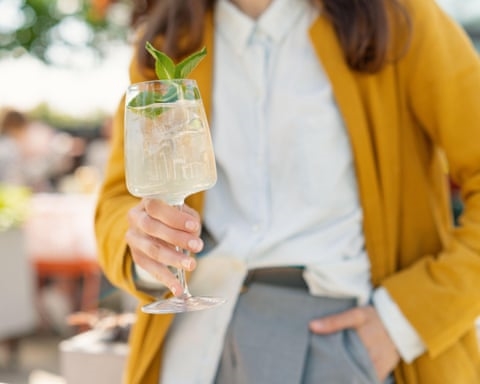
A new contender is poised to dominate summer drink menus, offering a lighter and sweeter alternative to the ubiquitous Aperol Spritz. The Hugo Spritz, a cocktail with Italian origins, is gaining significant traction in bars, pubs, and supermarkets across the country.
Characterised by its floral sweetness, the drink combines elderflower liqueur—often St-Germain—with prosecco, soda water, and fresh mint. It is notably lower in alcohol than its bitter orange counterpart, aligning with a broader consumer shift towards lighter daytime beverages. “We’re seeing a clear preference for lower-ABV options, especially for afternoon and early evening service,” noted one bar director at a prominent London hotel.
First concocted in Italy nearly two decades ago, the Hugo has long been popular in parts of continental Europe. Its recent surge in popularity is evident, with establishments from high-end hotel bars to national pub chains adding it to their offerings. Online searches for the cocktail have skyrocketed, and retail sales of key ingredients are seeing substantial year-on-year growth.
However, some industry voices express caution about the trend’s longevity. “The elderflower profile is very prominent right now, but its intense sweetness might limit its appeal as a staple,” commented a pub co-owner, who noted customer requests but remained unconvinced of its staying power.
For those eager to recreate the drink at home, supermarkets are responding with increased availability of elderflower liqueur and even pre-mixed bottled versions. The classic recipe is straightforward: pour prosecco and soda water over ice, add a measure of elderflower liqueur, and garnish with mint and a slice of lime.
While the Hugo Spritz captures the current mood, the market for aperitifs remains diverse. Retail data indicates a parallel resurgence in more traditional, bitter spirits like vermouth and Campari, suggesting a summer of varied palates and European-inspired refreshment.