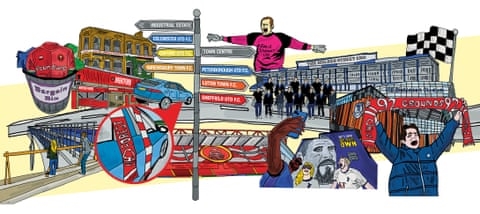
It was a pilgrimage that began in the early 1980s, on a worn-out terrace, and concluded over four decades later in a gleaming, corporate-named arena on a damp winter’s day. The final act was not a dramatic victory but a comprehensive defeat for my side. In a way, that mundane ending felt fitting for the completion of a personal mission: to visit every stadium in the top four tiers of English football.
This was not a continuous tour but a sprawling, 43-year project woven into life as a travelling supporter and a curious neutral. The landscape of the matchday experience transformed dramatically over those decades. In the early years, allegiance was a simpler, more public affair. Supporters would proudly wedge their scarves in the window of a car or coach, letting the colours stream in the wind for all to see during the journey. That visible, communal pride has largely faded, often replaced by the subtler, more private badges of the personalised number plate or the club crest on a car’s rear window—a shift that feels emblematic of a broader change in how fandom is expressed.
The journey also charted the physical evolution of the grounds themselves. The era of vast, crumbling terraces gave way to the all-seater revolution, a change driven by tragedy and regulation. Yet, in recent years, a partial reversal has occurred. The safe return of standing areas in some stadiums has been a welcome reclamation of a more traditional, vocal atmosphere. Similarly, the matchday pub, once a ubiquitous and raucous hub near every ground, has become an endangered species in many towns, a victim of shifting economics and lifestyles.
One of the most striking visual changes has been the proliferation of enormous flags and displays that now dominate stands at grounds across the country. What was once a rare spectacle at major cup finals has become a weekly occurrence, a testament to the modern, highly organised culture of supporter groups.
This long odyssey was about more than ticking off venues. It was a chronicle of football’s journey from a sport embedded in its local communities to a globalised entertainment business, and the ways in which supporters have adapted, resisted, and carved out new traditions within that changing world. The game’s soul, it seems, is resilient, even as its surroundings are constantly rebuilt.