A temporary halt to hostilities between the United States and Iran has been announced, following over five weeks of sustained military engagement. The agreement, brokered with the assistance of Pakistani officials, initiates a two-week pause in operations.
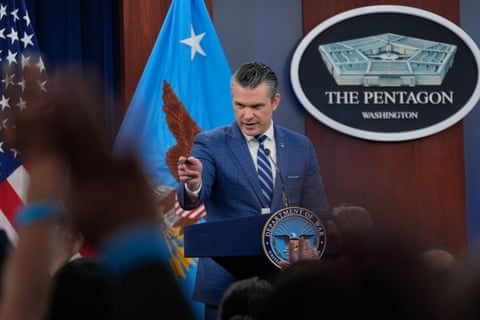
Senior U.S. defense officials presented a stark assessment of the conflict’s impact, stating that recent strikes had severely degraded Iran’s defense manufacturing capabilities. They emphasized that while existing stockpiles remain, Iran’s ability to produce new weaponry has been critically compromised. The officials suggested the threat of further, devastating strikes on national infrastructure was pivotal in securing Iran’s agreement to the pause.
Iranian authorities, however, presented a different narrative, asserting that their strategic objectives in the war had been largely met. The nation’s security council declared it would send a delegation to Islamabad for formal discussions starting at the end of the week.
The conflict, which began in late February with a large-scale aerial campaign targeting Iranian military sites and leadership, has resulted in significant casualties. Regional estimates place the death toll above five thousand, including civilians in Iran and Lebanon. The financial cost for the U.S. military has been substantial, with expenditures reported in the tens of billions within the first week alone.
Despite the ceasefire announcement, fundamental disagreements on the terms of any lasting settlement are immediately apparent. Public statements from both sides present contradictory demands, particularly regarding Iran’s nuclear enrichment activities. The scope of the truce is also contested, with conflicting reports on whether it applies to ongoing hostilities in Lebanon.
The situation remains tense, with both sides issuing firm warnings. Iranian security officials cautioned that their forces remain on high alert, ready to respond to any perceived violation. U.S. officials similarly signaled a sustained military presence in the region, underscoring the fragile and provisional nature of the current pause in fighting.