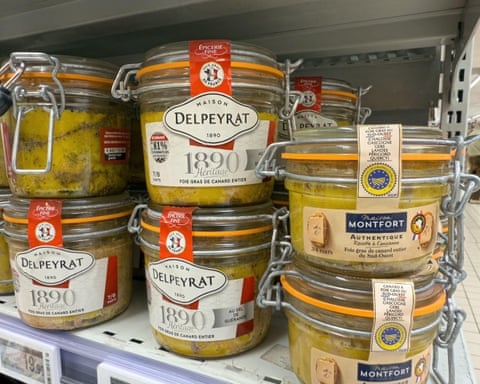
In a significant policy shift, the UK government is preparing to drop proposed bans on the import of foie gras and fur, reversing key manifesto commitments. The move comes as trade negotiations with the European Union intensify, with sources indicating these animal welfare measures have become sticking points in discussions for a new bilateral agreement.
While the production of both foie gras and fur has been illegal within the UK for years, imports from EU nations have continued. The government had previously signaled its intention to use post-Brexit regulatory freedoms to halt these imports, citing animal cruelty concerns. However, officials now indicate that securing a broader trade deal, particularly regarding agricultural and biotechnology regulations, is taking precedence.
The decision has drawn sharp criticism from animal protection organizations, who argue the UK is sidelining its own welfare standards for economic concessions. A recent public consultation on fur imports showed overwhelming public support for a ban, yet the government’s response stopped short of enacting one, instead announcing the formation of an advisory panel to further examine the issue.
Foie gras, a luxury food product made from the enlarged livers of force-fed ducks or geese, has been a particular focus of campaigners. Several major UK retailers have already ceased its sale. The restaurant industry remains divided, with some chefs advocating for a ban and others offering plant-based alternatives.
A government spokesperson defended the approach, stating the UK maintains some of the world’s highest animal welfare standards and emphasizing the ongoing work of its animal welfare advisory committee. Critics, however, contend that allowing the import of products whose production is banned domestically undermines those very standards and represents a failure to deliver on post-Brexit promises.
The final terms of the UK-EU trade agreement are expected to be finalized later this year.