A fabricated image depicting a rescued U.S. airman in Iran has ensnared several high-profile Republican officials, highlighting the growing challenge of artificial intelligence in spreading misinformation.
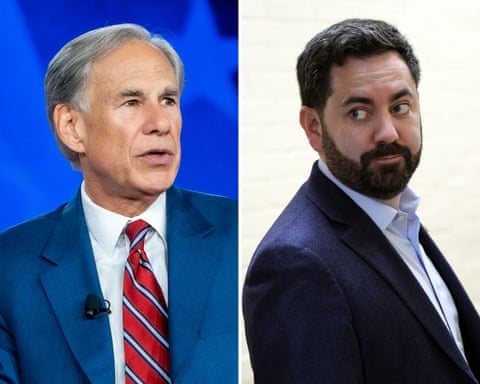
The digitally created picture, which shows an unidentified serviceman surrounded by smiling military personnel with an American flag, was widely circulated on social media over the weekend. Among those who engaged with the post were Texas Governor Greg Abbott, the state’s Attorney General Ken Paxton, and New York Representative Mike Lawler. Governor Abbott, in a since-deleted comment to his followers, hailed the image as a divine message. Representative Lawler captioned his share with a patriotic blessing.
The account that originally posted the image is known for its supportive stance toward former President Donald Trump, who was scheduled to address the purported rescue mission in a news conference.
Platform moderators have since appended a warning label to the post, indicating the content is likely AI-generated. Despite this, it had been reshared tens of thousands of times before the disclaimer was added.
This incident is not isolated. The rapid proliferation of AI-generated content, or “slop,” around major news events has become increasingly common. Similar fabrications flooded social networks earlier this year following the detention of a foreign leader, featuring dramatic but entirely fictitious scenes.
Analysts note that such fabrications are often effective precisely because they align loosely with known events, making them superficially plausible. However, experts warn that these tools are being used to fill information voids during breaking news, creating a dangerous layer of noise that complicates public understanding.
The Texas governor has previously fallen for similar deceptions. In recent months, he has shared content mistakenly identified as real footage of military engagements, which was actually sourced from a video game, and promoted a false story about a celebrity incident.
The phenomenon extends across the political spectrum. AI-generated images have been utilized by figures from both major parties, including fabricated photos of political opponents in compromising situations and sensationalized scenes following tragic real-world events.
Digital forensics specialists emphasize the particular danger of such misinformation during volatile situations. They argue that altered or mistaken details can inflame tensions and distort public perception when clarity is most needed.
In the wake of this latest hoax, commentators are issuing renewed calls for enhanced public media literacy, describing the current information landscape as a new era requiring greater public discernment.