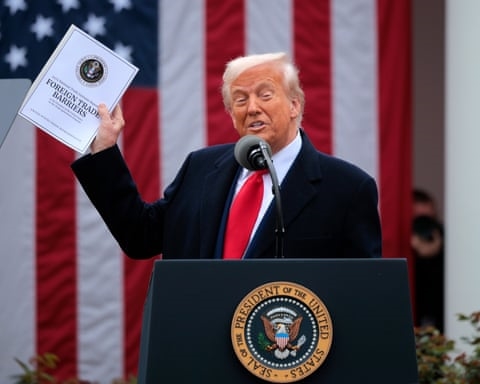
One year following the implementation of broad-based import tariffs, economic indicators and analyst assessments suggest the policy has fallen short of its stated goals, even as global capital flows shift away from traditional markets.
The sweeping trade measures, enacted in April 2025, were intended to revitalize domestic manufacturing and reduce trade imbalances. However, subsequent data reveals a different outcome. Employment figures within the manufacturing sector have contracted, with approximately 100,000 jobs lost since the policy’s inception. The proportion of manufacturing workers relative to the total workforce has reportedly reached its lowest point in over eight decades.
Market observers note that the anticipated benefits for U.S. companies have not materialized. Instead of prompting a hiring surge, corporate expansion stalled following the tariff announcement. Concurrently, the national trade deficit for goods widened to a record level last year.
“The results are now clear,” stated one policy analyst specializing in trade. “The tariffs did not reduce the trade deficit, did not revive manufacturing, and did not provide the promised relief for agricultural sectors. Pursuing further similar policies would be misguided.”
Investor confidence appears to have been a significant casualty. Financial experts report a sustained reassessment of U.S. market exposure over the past twelve months, driven by concerns over trade policy, fiscal challenges, and geopolitical tensions. This sentiment is reflected in prolonged weakness for the dollar against major currencies as capital sought opportunities in European, Asian, and South American markets.
“Discouraging investment is not a recipe for economic growth,” commented a global research head. “The consensus is that the economic landscape would be more favorable had the period been marked by greater stability.”
While the U.S. economy has demonstrated resilience, international monitors have expressed concern. They cite “heightened domestic and global uncertainties” stemming from major policy shifts and ongoing conflicts, urging measures to control deficits, safeguard institutional independence, and ensure financial market stability.
The geopolitical fallout has also reshaped global investment patterns. While some U.S. capital has moved to Europe, analysis indicates China may be a primary beneficiary. Chinese industrial profits saw significant growth in early 2026, a trend potentially bolstered by the relative economic friction experienced elsewhere.
The overarching narrative, according to financial analysts, is a broad reconsideration of long-held assumptions about unchallenged economic primacy and a stable investment climate. The combined effects of trade tactics, fiscal pressures, and foreign policy actions are prompting a global recalibration of risk and opportunity.