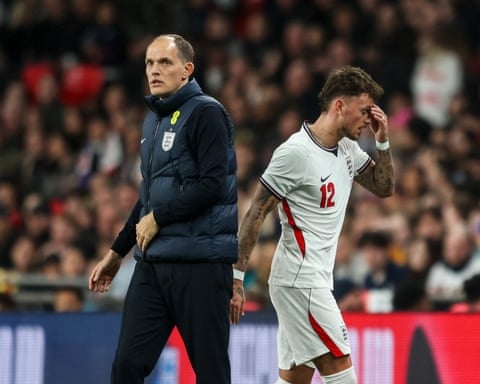
As the England squad prepares to depart for its final World Cup training camp, the debate over the value of recent international friendlies intensifies. The team’s performances in matches against Uruguay and Japan have drawn scrutiny, but history provides a complex and often contradictory verdict on their true significance.
National team managers frequently use these final preparatory windows as experimental laboratories. The lineups fielded in March or April can bear little resemblance to the starting eleven that eventually walks out for a tournament’s opening match months later. Players are tried in unfamiliar roles, fringe squad members are assessed, and tactical systems are tested, often under the constraints of player fatigue and club commitments.
A look back through the archives reveals a pattern of unpredictability. Past England managers have seen late call-ups force their way into tournament squads with stellar friendly displays, while other experimental selections have faded into obscurity by the time the competition begins. Conversely, some squads that appeared settled and cohesive in spring friendlies have arrived at major tournaments looking disjointed, their plans disrupted by injuries or loss of form during the intervening club season.
The modern football calendar adds a significant layer of difficulty. With the club season more demanding than ever, players often arrive at international breaks physically and mentally drained. This reality limits meaningful preparation and can render these matches an imperfect gauge of a team’s true potential. Managers are tasked with balancing the need for tactical refinement with the imperative of managing player workload, a challenge that did not exist to the same degree in previous eras.
The ultimate takeaway is one of cautious perspective. While consistent performances and a clear tactical identity are undoubtedly desirable, a single underwhelming friendly window is rarely a definitive harbinger of tournament failure. Conversely, sparkling spring form is no guarantee of summer success. The most critical work often happens away from public view, on the training pitches of the final pre-tournament camp, where fitness is sharpened, partnerships are solidified, and the manager’s final vision takes shape.
The coming weeks in camp will be where the real foundations for a World Cup challenge are laid. The recent matches provided data points and highlighted areas for attention, but the final judgment on this England team will be written not in March, but under the tournament spotlight.