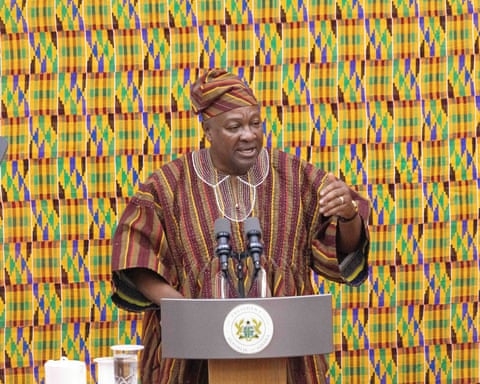
In a landmark decision that has reignited a centuries-old debate, the United Nations General Assembly has formally declared the transatlantic chattel slave trade to be “the gravest crime against humanity.” The resolution, championed by Ghanaian President John Mahama, passed with overwhelming support from 123 nations, marking a significant moral victory for African and Caribbean states and the global African diaspora.
The vote, however, laid bare enduring global divisions. A coalition of Western nations, including the United Kingdom, European Union member states, Canada, and Australia, chose to abstain. Only three countries—Argentina, Israel, and the United States—cast votes in direct opposition.
The resistance from these quarters is widely interpreted as a strategic move to forestall discussions on financial reparations and formal accountability. In remarks before the vote, the U.S. delegation explicitly rejected the notion of a legal right to reparations for historical acts not deemed illegal under the laws of their time.
This stance stands in stark contrast to the momentum building within Africa. The African Union has declared the coming ten years its “Decade of Reparations” and has appointed President Mahama, fresh from a decisive electoral victory in Ghana, as its leading advocate. An AU committee is already developing a framework for reparatory justice, engaging with descendants of enslaved people worldwide.
The path forward remains fraught with diplomatic challenges. Yet, for supporters, the UN resolution represents an irreversible step. It provides a powerful, unified moral and historical foundation for future claims, transforming a long-simmering grievance into a formal item on the agenda of international justice. As one diplomat involved in the process noted, the resolution itself was born from unprecedented pan-African collaboration, a model that will now guide the complex pursuit of tangible atonement.