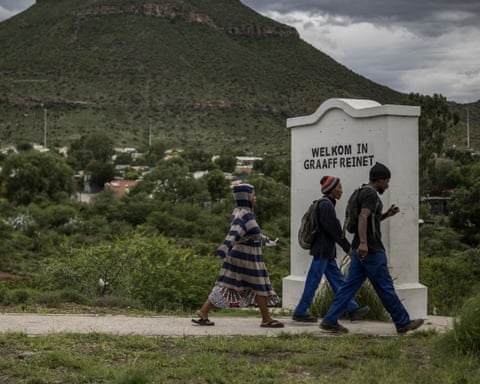
A profound debate over identity and history is gripping a South African community, following a ministerial decision to alter its official name. The move, intended to honor a national liberation figure, has instead laid bare deep-seated social and racial fractures within the town.
The controversy centers on the proposal to replace the town’s long-standing name, which dates to the 18th century and commemorates a Dutch colonial governor and his wife, with that of Robert Sobukwe. Sobukwe, an anti-apartheid activist born and laid to rest in the community, founded the Pan Africanist Congress after breaking with the African National Congress (ANC). He is historically noted for leading protests against the oppressive pass laws, events which culminated in the Sharpeville massacre of 1960.
Authorities have framed the change as part of a broader national project to transform the country’s geographical naming landscape and address the legacy of colonialism and apartheid. Over the past two decades, South Africa has seen thousands of such alterations to place names, post offices, and natural features.
However, local sentiment appears sharply divided. A recent survey indicated overwhelming opposition from the majority of residents, with particularly strong resistance from the Coloured and white communities. Proponents of the existing name argue it has evolved into a central part of the local identity and a recognized brand crucial for tourism, which supports the economy in an area known for its historic architecture.
Conversely, supporters of the change insist it is a necessary act of restorative justice. They argue that honoring indigenous heroes like Sobukwe rectifies a historical erasure and acknowledges the sacrifices made for South Africa’s freedom. For some Black residents, the colonial-era name remains a painful symbol of a subjugated past.
The dispute has transcended symbolic argument, sparking public demonstrations, petitions, and allegations of flawed legal procedure in the consultation process. It has also brought to the surface inter-community tensions, with some Coloured residents expressing feelings of political marginalization in the post-apartheid era, a sentiment researchers often link to divisive policies from the apartheid past.
The situation is further complicated by the vandalism of Sobukwe’s gravesite and the dormant state of a museum established in his honor, which remains closed due to internal family disputes. A member of the Sobukwe family acknowledged the political complexities, suggesting the current governing party has historically underplayed his grandfather’s legacy, even as it now champions the renaming.
As the community grapples with these tensions, the fundamental question persists: can a new name forge a unified future, or does it risk deepening the very divisions it seeks to heal? The outcome will resonate far beyond the town’s borders, speaking to the ongoing and painful process of national reconciliation.