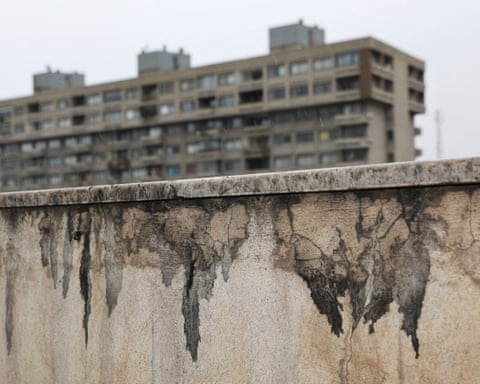
A recent and unsettling meteorological event in Iran has drawn attention to the often-overlooked environmental consequences of warfare. Following military strikes on fuel storage facilities, a phenomenon known as “black rain” was observed falling across affected regions.
The incident occurred when attacks ignited vast quantities of stored petroleum products. Unlike efficient combustion, these uncontrolled fires produce immense plumes of dense, toxic smoke laden with soot and unburned chemical particles. These particulates are carried aloft by the heat of the blaze, where they interact with atmospheric moisture. Acting as nuclei, they seed rain clouds, leading to precipitation that is visibly darkened by the pollutants.
While such rainfall can partially cleanse the air, it introduces significant risks. The contaminated water can carry hazardous substances—including known carcinogens like benzene and toluene—into soil and water supplies, posing long-term threats to public health and agriculture. The fallout may persist in the environment well beyond the duration of active hostilities.
This is not an isolated case. Historical precedents include the oil well fires in Kuwait during the 1991 Gulf War and, in a far more extreme form, the highly radioactive black rain that fell after the atomic bombing of Hiroshima.
The occurrence in Iran serves as a stark reminder that the impact of modern conflict extends far beyond the immediate battlefield, leaving a lingering chemical legacy on the natural world and the communities that depend on it.