Islamabad is positioning itself as a potential host for critical negotiations aimed at halting the ongoing conflict between the United States and Iran. While no formal agreement exists, diplomatic channels indicate preliminary discussions could commence in the Pakistani capital as soon as next week.
Pakistani leadership has publicly stated its readiness to broker talks. In a recent statement, Prime Minister Shehbaz Sharif expressed that Pakistan is prepared to “facilitate meaningful and conclusive talks” for a comprehensive settlement. This diplomatic push follows a series of high-level contacts, including a reported conversation between Pakistan’s Army Chief, General Asim Munir, and U.S. President Donald Trump.
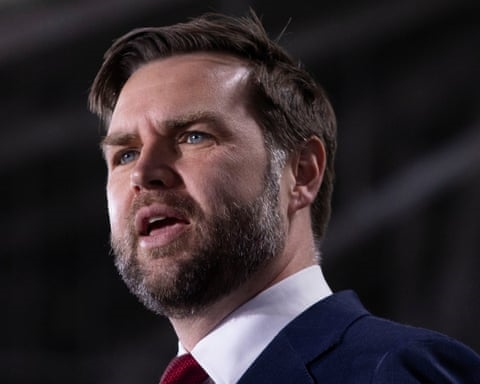
A key point of discussion is the composition of the negotiating teams. Sources suggest that from the Iranian perspective, U.S. Vice President JD Vance is seen as a more acceptable chief negotiator for Washington. Iranian officials have reportedly ruled out dealing with President Trump’s current Middle East envoy, Steve Witkoff, or his senior advisor Jared Kushner, citing a breakdown of trust from previous nuclear negotiations that preceded the outbreak of hostilities.
For its part, Iran has yet to officially confirm any direct dialogue with the U.S. administration. An Iranian diplomatic source characterized the atmosphere as one of “zero trust” toward Washington, viewing past engagement as a deceptive prelude to military action. Mohammad Bagher Ghalibaf, the speaker of Iran’s parliament and a likely lead negotiator for Tehran, has previously dismissed reports of imminent talks as unfounded.
The choice of venue remains fluid, with several nations including Qatar, Turkey, and Egypt also mentioned as possible hosts. However, insiders note that Iranian authorities have signaled a preference for Islamabad. Pakistan’s unique position, maintaining relationships with both Gulf Arab states affected by the conflict and a significant Shia population, is seen as lending it credibility as a neutral intermediary.
The urgency for a diplomatic off-ramp is underscored by severe economic pressures. Global energy markets have been volatile, with oil prices recently spiking above $100 a barrel due to the blockade of the Strait of Hormuz—a vital chokepoint for global shipments. Pakistan itself, which imports most of its oil and gas through the strait, is facing acute fuel shortages and rising prices, adding domestic impetus to its peacemaking efforts.
Despite public claims from President Trump about “strong talks,” the path to formal negotiations appears fraught. The White House has declined to comment on the specific reports, stating it will not negotiate through the media. Meanwhile, a U.S. ultimatum concerning the Strait of Hormuz remains active, maintaining a backdrop of military threat even as diplomatic whispers intensify.