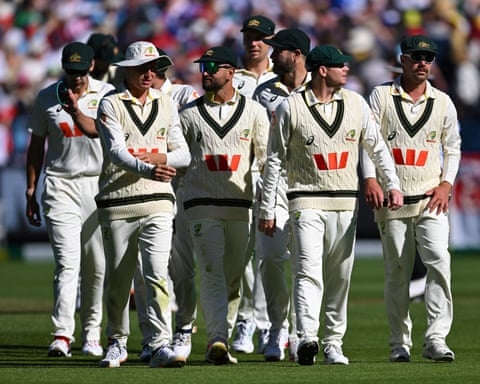
The traditional rhythm of an Australian cricket summer is set to be shattered. Next season, the men’s Test campaign—long the centerpiece of the sporting calendar—will be condensed into a frantic four-week window from mid-December to early January. While officials may point to a broader schedule, key matches are isolated in other months, leaving the heart of summer feeling hollowed out. In an era where sports fight for year-round relevance, this represents a curious retreat for a format that remains Australia’s most significant cricketing drawcard.
The relentless pace of four Tests in as many weeks ignores a fundamental truth of the long-form game: it requires breathing room. Historical scheduling, even as tours have shortened, typically built in gaps. These pauses were not just logistical; they allowed players to recover, narratives to build, and audiences to absorb the drama. The very essence of Test cricket is woven into its cadence and anticipation.
To the casual observer, weekly Tests during the holidays might seem a boon. The logic mirrors arguments for four-day Tests: a predictable, condensed product to capture viewer attention. However, that model was conceived for shorter bursts, not a sustained, high-intensity barrage. The physical toll is unsustainable. If the upcoming series against New Zealand goes the distance, players could be on the field for 20 out of 31 days, plus travel, over the festive period. The risk of injury and burnout, particularly for bowlers, will force squad rotation and inevitably dilute the quality of contest.
This places an unfair burden on athletes. Consider the dedication of those who forgo lucrative short-form contracts to prioritize their readiness for the Test arena. To then present them with a schedule that is physically implausible to complete at full capacity sends a clear message: their peak performance is a secondary concern.
Authorities will cite unique circumstances—tours to India bookending the summer—as the reason for this squeeze. But the underlying drivers are clear: the expanding financial behemoth of the Indian Premier League and the immense value of five-Test series against India. Tellingly, those marquee contests will have their schedules carefully managed with adequate breaks, protecting player welfare and spectacle. The compromise is being made elsewhere.
This is not an accident of fate but a choice. The same governing body is simultaneously pursuing the sale of stakes in domestic T20 leagues to overseas investors, likely from the IPL ecosystem. The pursuit of capital is becoming a central tenet. This raises profound questions for an organization with a charter to serve the sport’s public good, not merely maximize revenue. Will private investors value the Sheffield Shield’s role in developing Test players? Will they accept the primacy of the Test schedule over their franchise interests?
Cramming four Tests into four weeks unavoidably degrades the sport’s quality. But if the allure of private investment takes hold, this scheduling crunch may be merely the first concession in a series of changes that could render the classic Australian cricket summer a thing of the past, making the very concept of a “Test season” an empty phrase.