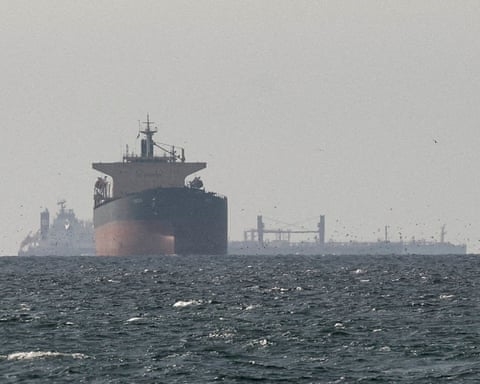
The United Kingdom has put forward a proposal to convene an international summit aimed at addressing the effective closure of the Strait of Hormuz, a critical maritime artery for global energy supplies. The move comes as economic pressures mount due to the ongoing regional conflict.
British defence officials confirm that high-level discussions are underway with international partners to formulate a coordinated strategy for reopening the shipping lane. Approximately one-fifth of the world’s seaborne oil transits through this narrow passage, and its blockage has triggered significant volatility in energy markets and broader economic instability.
Military planners from the UK have reportedly been dispatched to collaborate with allied commands, evaluating operational options to ensure safe passage for commercial vessels. The initiative has garnered formal support from over thirty nations, including key European and Gulf partners, who have pledged joint efforts to secure the waterway.
Technical discussions among defence chiefs are said to be focusing on practical measures, including potential deployments of specialised maritime assets. A senior defence figure indicated that a broader meeting of military leaders is scheduled, with the possibility of expanding participation to nations not yet formally aligned with the statement. The goal is to build consensus and operational readiness so that a secure corridor can be established promptly when conditions permit.
In parliamentary testimony, the Prime Minister cautioned that a rapid resolution to the underlying conflict should not be expected, despite recent pauses in certain military actions. The economic repercussions of the strait’s closure are a primary concern for the UK and its allies, with rising oil prices directly impacting inflation and national borrowing costs.
The chair of a parliamentary security committee warned that the conflict risks becoming one of the most economically damaging in recent memory. He emphasised the West’s continued reliance on hydrocarbons and the severe strain placed on global supply chains, calling for sustained diplomatic pressure to de-escalate the situation. He further argued that the current crisis represents a significant strategic miscalculation, one that is harming allied economies while allowing other global powers to capitalise on the disruption.
The proposed security conference, which could be held in London or at a major naval facility, is envisioned as a catalyst for building a multinational coalition and developing a viable plan to restore the free flow of traffic through this strategically vital sea lane.