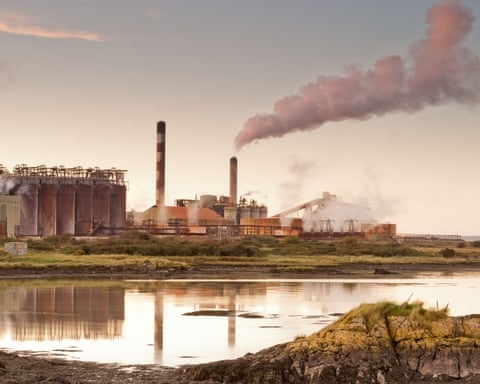
A major metals processing facility in Ireland is part of a supply network that ultimately provides materials to Russian defense manufacturers, according to an analysis of shipping and trade data. The findings raise questions about the effectiveness of international sanctions aimed at crippling Moscow’s military-industrial complex.
Located on the Shannon estuary, the Aughinish Alumina plant, owned by the Russian aluminum giant Rusal, has seen a significant increase in shipments to Russian smelters since the onset of the war in Ukraine. Official trade figures show Ireland’s alumina exports to Russia surged from $243 million in 2022 to $376 million in 2024, a rise of approximately 55%. As the sole producer of alumina in Ireland and a major European supplier of this key aluminum ingredient, Aughinish plays a central role in this trade flow.
While this commerce does not violate current EU sanctions—as alumina itself is not a banned commodity—the ultimate destination of the processed material is under scrutiny. Analysis of leaked corporate records, alongside public data, indicates that aluminum produced from Irish alumina is reaching Russian arms factories via intermediary trading companies.
The supply chain is complex. Alumina shipped from Aughinish to Rusal facilities in Russia, such as a major smelter in Krasnoyarsk, is converted into aluminum. This metal is then sold through trading firms, including one named Aluminium Sales Company (ASK). Documents suggest ASK, which shares corporate addresses with Rusal entities in Russia, subsequently supplied aluminum to numerous sanctioned defense contractors. These manufacturers produce missiles, explosives, and aircraft used in the conflict in Ukraine.
For instance, a significant client of ASK appears to be the Sverdlov plant, a key Russian producer of high-explosive materials which has been targeted by Ukrainian forces. Leaked records indicate that, between early 2022 and mid-2025, weapons manufacturers paid ASK hundreds of millions of dollars for aluminum under state defense contracts.
Experts note that the multi-layered, international nature of such supply chains creates significant challenges for enforcement. “Every link in the chain can appear compliant on its own, while the finished material still reaches a sanctioned end-user,” explained a specialist in defense logistics. “Tracing the end-use of a commodity like alumina across opaque networks is exceptionally difficult in practice.”
When questioned, a spokesperson for Aughinish stated the company operates in strict compliance with all EU laws and sanctions, emphasizing that alumina and aluminum are basic commodities vital for civilian industries. They argued that singling out the refinery creates a biased narrative and discredits a legitimate business supporting thousands of jobs.
The Irish government reiterated that EU sanctions are designed not to disproportionately impact member states and noted that neither the Aughinish plant nor alumina are subject to restrictions. Authorities affirmed Ireland’s unwavering support for Ukraine and commitment to enforcing all active sanctions.
The data underscores a persistent loophole: while direct sanctions target specific individuals and entities, raw materials with dual civilian and military uses can continue to flow through complex corporate networks, potentially aiding military production despite broader trade restrictions aimed at Moscow.