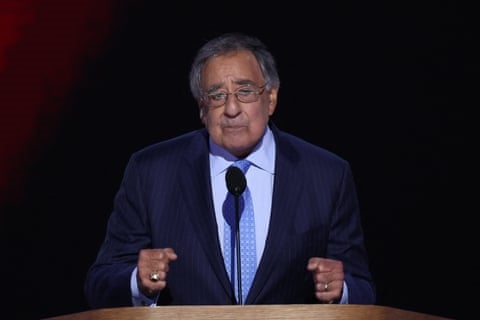
A former high-ranking intelligence and defense official has delivered a stark assessment of the ongoing conflict in the Middle East, stating that the current administration bears sole responsibility for a deteriorating military and economic situation with no clear path forward.
The official, who held senior roles in two prior administrations, argued that the decision to engage militarily with Iran failed to account for one of the most predictable and dangerous retaliatory options: the closure of the Strait of Hormuz. With a significant portion of global oil shipments now blockaded, energy prices are skyrocketing, applying severe economic pressure domestically and internationally.
“The fundamental vulnerability was always apparent in every strategic discussion,” the former official stated. “Either there was a failure to consider this consequence, or there was an unfounded belief that hostilities would conclude swiftly. Neither assumption has proven correct.”
The conflict, now in its fourth week, has resulted in significant casualties. The political landscape within Iran has also hardened, with a new, more militant leadership solidifying power in the wake of the initial strikes—an outcome the official described as counterproductive to long-term stability goals.
The president now faces a grim set of choices, according to the analysis. He can attempt to declare a premature victory, which would be transparently hollow without a secured ceasefire. Alternatively, he can order a major and risky military escalation to forcibly reopen the critical waterway, a move guaranteed to expand the conflict and incur further losses.
Compounding the strategic dilemma is a profound lack of international support. The official pointed to years of dismissive rhetoric toward traditional allies, which has now resulted in a marked reluctance from other nations to assist in resolving a crisis they were not consulted on. “When you need to turn to partners for support, it matters how you’ve treated them,” the official noted. “That bill has now come due.”
Further eroding global confidence, according to the critique, has been the administration’s domestic messaging around the war. The use of sensationalist video propaganda and the exploitation of solemn military ceremonies for political fundraising have been cited as actions that project insecurity and weakness rather than resolve.
“The world sees a nation at odds with itself, led by an administration that appears detached from the gravity of its own decisions,” the former official concluded. “The responsibility for navigating out of this predicament rests entirely with the man who chose to initiate it. The available options are now severely constrained, and each carries a heavy price.”