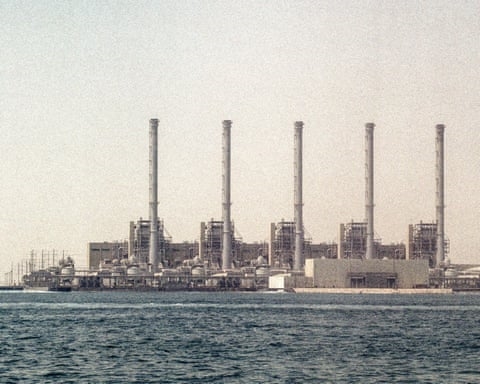
A stark warning has been issued against the vital water facilities of Gulf nations, placing a critical civilian and economic lifeline in the crosshairs of regional conflict. The threat targets the extensive network of desalination plants that are indispensable for survival in this arid region.
These facilities, which convert seawater into potable water, are the primary source of drinking water for populations and industries across the Arabian Peninsula. Nations such as Kuwait and Saudi Arabia derive the overwhelming majority of their freshwater from these coastal installations. With minimal rainfall and scarce natural freshwater sources, the region’s dependence on this technology is absolute.
The strategic vulnerability of these plants is heightened by their geography and concentration. Located along the coastline and serving vast urban centers, they represent high-impact targets. Any successful attack could incapacitate a nation’s water supply within days, as most local water reserves are estimated to last only about a week.
Such an event would trigger immediate and severe consequences. Beyond a humanitarian crisis for civilians, critical sectors including healthcare, energy production, and industry would face rapid paralysis due to their reliance on desalinated water for operations and cooling. The resulting economic disruption and potential for civil unrest would be profound.
Historically, such civilian infrastructure has been avoided as a military target. However, recent escalations have brought it into focus. The warning underscores a dangerous shift in tactics, where essential utilities could be leveraged to inflict widespread suffering and economic damage.
Analysts caution that compromising water security would mark a significant escalation in hostilities, with repercussions extending far beyond the immediate battlefield. The stability of the entire region, which has built its modern prosperity on these engineering marvels, is now under a shadow. The situation places Gulf states in a precarious position, highlighting the profound fragility of vital resources in times of conflict.