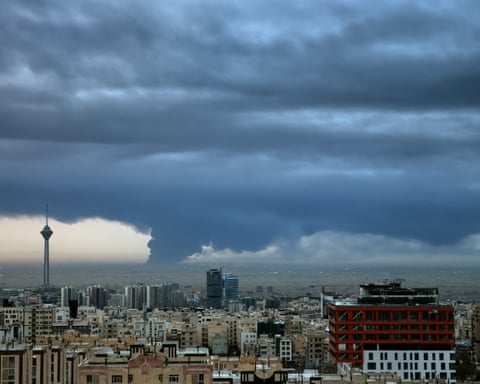
Satellite imagery has revealed that intense fires at fuel storage sites continued to burn for days following recent military strikes, raising significant concerns over public health and environmental contamination in a major metropolitan area.
The attacks targeted multiple fuel facilities in and around the city earlier this month. The resulting blasts and fires released massive plumes of smoke, blanketing urban areas with a mix of pollutants including soot and sulfur dioxide. The situation was worsened when a subsequent rainstorm deposited what residents described as a dark, oily precipitation across the city.
Medical professionals and environmental scientists are warning of severe and lasting health consequences. Immediate symptoms reported by citizens include persistent headaches, respiratory distress, and irritation to the eyes and skin. Experts indicate these acute effects may precede longer-term risks, such as increased incidence of cardiovascular illness, cancer, and other conditions linked to exposure to toxic compounds.
Analysts note that the burning of petroleum products can release sulfur and nitrogen compounds. When dissolved in rainwater, these can form acidic solutions, explaining the phenomenon of the reported “black rain.” Authorities have circulated advisories urging the public to avoid outdoor exposure, dispose of contaminated clothing, and use high-grade protective masks.
The persistence of the fires, visible in satellite photos taken over a week after the initial incidents, suggests a prolonged release of hazardous emissions. The fallout has coated streets, vehicles, and buildings with a greasy residue, compounding the city’s pre-existing challenges with air quality.
International environmental and health bodies have expressed grave concern, stating that such large-scale oil fires pose serious risks to human and ecological health. Contaminants can infiltrate soil and water systems, potentially affecting groundwater and food supplies for years to come. The most vulnerable populations, including children and the elderly, are believed to be at heightened risk.
The strikes on critical civilian energy infrastructure in a densely populated region have drawn widespread condemnation and underscore the complex, long-term humanitarian and environmental costs that extend far beyond the immediate conflict.