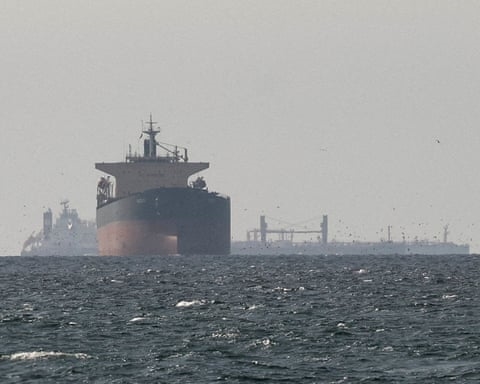
International markets are reeling and global powers are issuing urgent warnings as a severe energy crisis and escalating military conflict in the Middle East create a perilous situation for the world economy and regional stability.
Economic Shockwaves and Energy Disruption
The head of the International Energy Agency (IEA) has issued a stark assessment, stating the current disruption to global energy supplies is now more severe than the combined oil shocks of the 1970s and the gas crisis triggered by Russia’s invasion of Ukraine. The conflict has reportedly resulted in the loss of millions of barrels of oil per day and significant damage to energy infrastructure across multiple countries.
In response to the crisis, the IEA has recommended emergency conservation measures for governments, including promoting remote work, reducing speed limits, and cutting non-essential air travel to conserve fuel.
Military Escalation and Regional Threats
The conflict entered a dangerous new phase with a new wave of military strikes. Reports indicate extensive strikes have targeted infrastructure in Tehran, while Iranian missile launches have caused injuries in Israel. An Iranian statement has warned that any attack on its power plants would result in the complete and permanent closure of the Strait of Hormuz, a vital global shipping lane for oil and gas, and could lead to the destruction of critical energy and water facilities across the Persian Gulf.
This threat carries grave implications for Gulf nations, which are heavily reliant on desalination plants for drinking water. An attack on regional power grids could cripple these essential water supplies.
International Response and Warnings
The United States has issued a worldwide caution advisory to its citizens, citing potential threats to diplomatic facilities and American interests globally. Several governments, including the United Kingdom, are holding emergency meetings to assess the economic fallout and risks to energy security and supply chains.
Meanwhile, diplomatic efforts continue amidst the turmoil. The head of the International Atomic Energy Agency (IAEA) has expressed hope for re-establishing dialogue on Iran’s nuclear program. A religious leader has also renewed calls for an immediate ceasefire, stating the humanitarian suffering “wounds all of humanity.”
Regional Violence and Market Turmoil
The volatility has spilled beyond the immediate conflict zone. A series of attacks by Israeli settlers in the West Bank targeted Palestinian homes and vehicles, resulting in injuries. Financial markets have reacted sharply, with significant losses in equity markets and a surge in oil prices following threats to critical shipping channels.
The situation remains fluid, with a stated ultimatum concerning the Strait of Hormuz adding a time-sensitive pressure that is defining global trading conditions and geopolitical calculations.