The ongoing hostilities in the Middle East have delivered a significant blow to the Gulf region’s strategic pivot towards becoming a global sports hub, exposing vulnerabilities in economic plans built around major events.
Recent weeks have seen a cascade of sporting cancellations, mirroring the disruptions of the early pandemic era. High-profile fixtures, including Formula One races in Bahrain and Saudi Arabia, a marquee football match between Argentina and Spain in Doha, and MotoGP’s Qatar Grand Prix, have been called off or postponed. The uncertainty extends to numerous other competitions, from gymnastics to regional multi-sport games, with over a hundred events across all sectors reportedly cancelled since the conflict began.
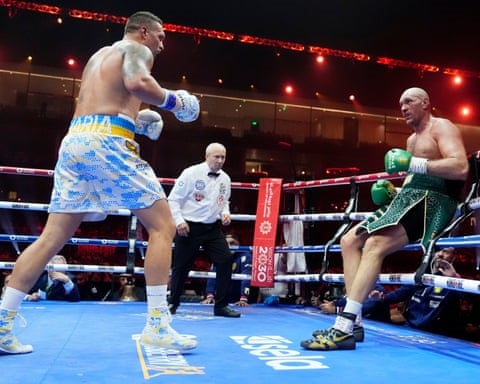
This turmoil strikes at the heart of a long-term vision shared by several Gulf nations. For over a decade, countries like Qatar, Saudi Arabia, and the United Arab Emirates have pursued ambitious “Vision 2030” projects, aiming to diversify their economies away from oil dependency by investing heavily in sports, tourism, and entertainment. Qatar’s monumental expenditure on the 2022 FIFA World Cup served as a catalyst, with neighbours following suit through investments in elite football leagues, grand prix circuits, and global sporting spectacles.
Analysts note that the timing of the crisis is particularly unfortunate, revealing a foundational weakness in the Gulf’s sports-centric model. The strategy has largely been event-driven, reliant on importing talent, expertise, and infrastructure, rather than cultivating a self-sustaining domestic sports industry. While the region has successfully attracted star athletes and secured hosting rights for world championships, it has not developed parallel manufacturing sectors for sporting goods or invested as heavily in emerging areas like e-sports, leaving its ambitions externally dependent.
The immediate logistical challenges are stark. Airspace closures have stranded key figures and disrupted travel, while security concerns, such as drone attacks on critical bridges, are causing unease among the international workforce essential to these projects. Although domestic football leagues have largely continued, continental club competitions involving Gulf teams face postponements.
Looking ahead, the most profound impact may be financial. Difficulties in exporting hydrocarbons could force significant budget cuts. Reports suggest funding for 2034 World Cup infrastructure in Saudi Arabia has already been trimmed, delaying stadium construction. While core investments in football, Formula One, and boxing are likely shielded, spending on other sports like tennis, golf, and darts is considered more vulnerable to austerity measures.
The conflict has thus laid bare the risks of an economic transformation strategy predicated on global stability and seamless international integration. For the Gulf’s vision of a post-oil future anchored in sport, the current geopolitical storm has arrived at a most inopportune moment.