A critical financial support package for Ukraine has been blocked at the European level, creating a significant rift among member states and casting doubt on the bloc’s decision-making unity. The €90 billion loan, intended to provide Kyiv with urgent military and budgetary assistance, failed to receive the necessary unanimous approval due to the opposition of a single nation.
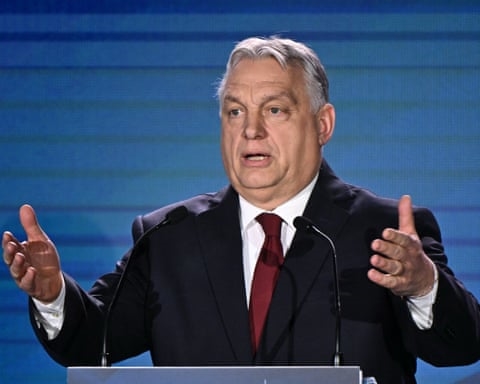
The impasse emerged during a summit of European leaders, where one head of government refused to lift his veto. This stance represents a reversal of a prior agreement reached in December, a move described by several counterparts as a breach of trust that damages collective credibility. The German Chancellor stated the action would “leave deep marks,” while others labeled the behavior as unacceptable and contrary to the foundational principles of the union.
The blocking nation cited a separate bilateral dispute with Ukraine over a damaged oil pipeline as justification for its position, arguing it would not support further decisions favoring Kyiv until the matter was resolved. This pipeline is a key energy conduit for the country and its ally, both of which hold exemptions from the EU’s ban on Russian oil imports.
In response to the deadlock, fellow leaders have instructed the European Commission to urgently explore all legal and financial avenues to disburse the funds to Ukraine regardless of the objection. The Commission President affirmed that support would be delivered “one way or the other,” signaling a determination to circumvent the veto. The urgency is underscored by Kyiv’s pressing financial needs as it continues to defend itself against ongoing aggression.
The situation has sparked intense frustration, with multiple leaders accusing the blocking nation of using the Ukraine aid issue for domestic political gain ahead of its upcoming national election. The campaign there has prominently featured anti-EU and anti-Ukraine rhetoric. This episode has effectively hijacked a summit originally intended to focus on long-term economic competitiveness, instead highlighting internal divisions at a time of global instability.
While 25 member states endorsed a statement calling for continued pressure on Russia and the swift adoption of a new sanctions package, the two objecting nations also continue to block that measure. The Ukrainian president, addressing the summit remotely, reiterated his country’s commitment to repairing the contested pipeline but expressed hope that the EU would fulfill its financial promises.
The standoff presents a profound challenge to European solidarity, testing the mechanisms of the bloc as it seeks to maintain steadfast support for Ukraine amidst internal discord.