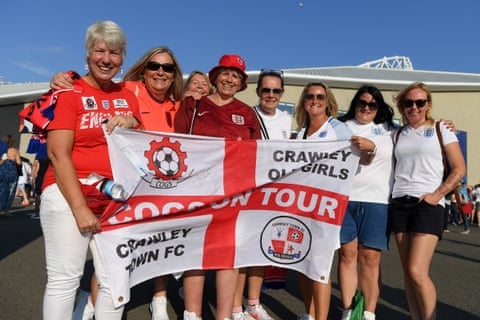
For many women now in their forties, fifties, and beyond, the roar of a packed stadium for a women’s football match is a sound that evokes both immense pride and a profound sense of personal loss. They watch today’s stars with admiration, but also with the quiet knowledge of a door that was closed to them in their youth.
Recent global surveys highlight a surge in female participation in organised football, with millions of new players registering in recent years. This boom, fueled by high-profile tournaments and national team successes, paints a picture of rapid progress. Yet, this narrative overlooks a significant demographic: a generation of women for whom the beautiful game was largely inaccessible during their formative years.
Long after the official ban on women playing football was lifted decades ago, cultural and institutional barriers remained stubbornly in place throughout the late 20th century. Girls who harboured a passion for the sport were often steered towards netball or hockey in school, with few, if any, local clubs available to them. Their football experience was frequently limited to informal, determined scraps of play in parks or playgrounds, often having to prove their place among boys.
The consequence was a widespread, decades-long hiatus. Countless women set aside their boots, not from a lack of desire, but from a lack of opportunity. Life, with its competing demands of career and family, further pushed the dream to the sidelines. The logistical hurdle of finding a team as an adult woman felt insurmountable to many.
Now, however, a quiet revolution is underway. From the grassroots pitches of Australia to local leagues in the UK, new clubs are emerging with a specific mission: to welcome women who are returning to the sport or discovering it for the first time in adulthood. Teams with names that proudly declare their ethos are providing a long-awaited community for players over 35, 40, and beyond.
The emotional impact of this belated homecoming cannot be overstated. Players speak of overwhelming feelings upon pulling on a proper kit for the first time in middle age—a mix of empowerment, joy, and grief for lost time. Teammates bond over shared histories of exclusion, of being the only girl on the pitch, of hanging up their boots at eleven only to retrieve them thirty-five years later.
Many are now not only playing but also coaching, determined to create the inclusive, tailored environments they never had for the next generation of girls. They approach the game with a palpable sense of making up for lost years, playing with a passion that is both competitive and deeply personal.
Their story is one of resilience and reclamation. While they cheer for the Lionesses or the Matildas, their own victories are quieter but no less significant: the weekly training session their children wave them off to, the camaraderie of a shared struggle, the simple, profound act of finally claiming their place on the pitch. This is not just about football; it’s about a generation finally bringing a lost part of themselves home.