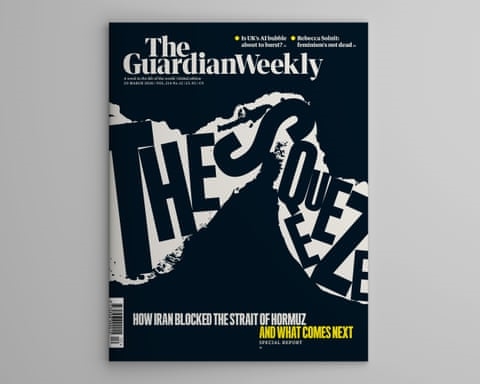
As hostilities in the Middle East stretch into their third week, a critical development has sent shockwaves through international markets: the strategic Strait of Hormuz has been effectively closed. This maritime chokepoint is vital for global energy supplies, and its blockade threatens to disrupt a significant portion of the world’s oil exports.
The conflict has now directly impeded the ability of Gulf states to ship their oil, accounting for an estimated one-fifth of global supply. The economic ramifications are potentially severe, with analysts warning of sharp price increases and supply chain disruptions worldwide. The move represents a major escalation, transforming a regional war into a direct threat to the global economy.
The situation on the ground remains volatile. Reports from the region describe a populace grappling with anger and frustration, feeling ensnared in a widening conflict they sought to avoid. There are growing concerns that both sides may be entering a dangerous cycle of escalation, with limited options for a swift resolution.
In other developments:
An investigation highlights the alarming use of starvation as a tactical weapon in Sudan’s civil war.
As Apple marks 50 years, its legacy is assessed through both its revolutionary successes and its notable failures.
Contrary to narratives declaring its demise, the feminist movement is shown to be vigorously active, with significant ongoing advances being championed.
A shift in political allegiance is noted among some UK conservatives, who are increasingly aligning themselves with the political movement of a former US president.
A celebrated filmmaker finally receives top honors at the Oscars after more than a decade of nominations.
Beyond the headlines of conflict, a London exhibition offers a contrasting narrative of community and compassion, focusing on local efforts to welcome asylum seekers.