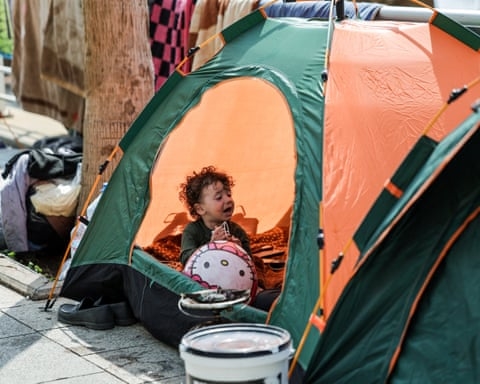
The recent bombing of a school in Iran has cast a stark and horrifying light on a grim reality of modern warfare: children are not just bystanders but are increasingly becoming its primary victims. Beyond the immediate physical devastation, the psychological toll inflicted on young survivors represents a crisis that demands an immediate and robust international response.
In conflict zones from Ukraine to Gaza, the impact on children is profound and multifaceted. They endure not only the loss of life and limb but also the destruction of their entire world—homes, families, and communities shattered. The trauma is compounded by disrupted educations, forced displacement, the grief of losing peers and relatives, and the constant terror of aerial bombardments and ground assaults. These experiences are not fleeting; clinical evidence indicates they can forge deep-seated psychological wounds that last a lifetime.
However, there is a path forward. Specialized trauma interventions have demonstrated remarkable efficacy. Programs implemented in one European conflict zone, for instance, have shown recovery rates for traumatized children as high as 92%. This underscores a critical need: the global community must move beyond rhetoric and significantly scale up funding and support for these vital, life-restoring mental health services.
Concurrently, the enforcement of international law must be strengthened. Targeting educational institutions and the children within them constitutes a clear war crime. The staggering statistics of child casualties in ongoing conflicts highlight a disturbing failure of accountability. There is a growing public imperative for citizens worldwide to demand that their political representatives uphold these fundamental legal and moral standards, applying consistent pressure to protect the most vulnerable.
The principle is simple and should be universal: children must never be considered acceptable casualties of war. Ensuring their safety and supporting their recovery from the horrors of conflict is not a partisan issue but a fundamental test of our collective humanity. The time for action is now, before another generation is lost to the invisible scars of war.