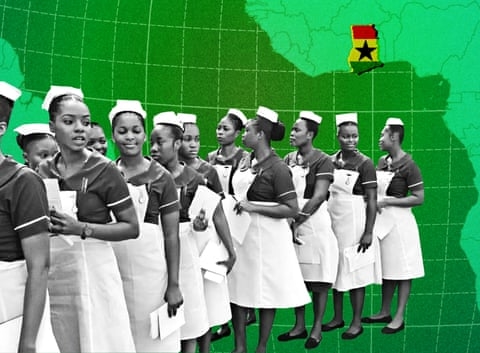
A growing number of Ghana’s healthcare professionals are departing for positions overseas, creating a severe staffing strain within the nation’s hospitals. This trend, which has accelerated in recent years, is driven by a combination of low salaries, challenging working conditions, and a desire for better resources.
The scale of the departure is significant. Last year alone, thousands of qualified nurses left Ghana, with many heading to nations like the United States, the United Kingdom, Canada, and Australia. While some view this migration as a personal opportunity, others within the country’s medical community warn of a looming crisis in patient care.
“The workload has become unsustainable,” one Accra-based nursing officer explained. “When you have a handful of nurses responsible for dozens of patients, burnout is inevitable. Yet, we continue to see our most experienced colleagues leave.”
The government has pointed to a surplus of trained nurses within the country and has entered into agreements to send healthcare workers to other nations, including several in the Caribbean. Officials argue this utilizes available personnel. However, frontline staff counter that these policies exacerbate domestic shortages and fail to address the core reasons professionals are leaving.
For those who depart, the decision is often difficult but necessary. One mother of three, who recently secured a nursing position in the US after over a decade of work in Ghana, described a system of constant stress. “You reach a point where you feel you have no other choice for your family’s future,” she said. Many who leave maintain a hope of one day contributing to improvements back home.
The exodus has a cascading effect, particularly on new graduates entering the field. Without sufficient senior staff for mentorship, novice nurses are thrust into high-pressure environments with inadequate support. One recent graduate described working long hours for delayed and incomplete pay, relying on a relative in the profession for guidance her workplace cannot provide.
“I want to build a career here,” she said, “but when you see the exhaustion and the conditions, you have to plan for other possibilities.” For now, she and many of her peers feel stuck, lacking the experience required for international opportunities yet struggling within the domestic system.
The situation presents a complex challenge. While individual healthcare workers seek better prospects, the system they leave behind grows increasingly fragile, raising urgent questions about retention, remuneration, and the future sustainability of quality care in Ghana.