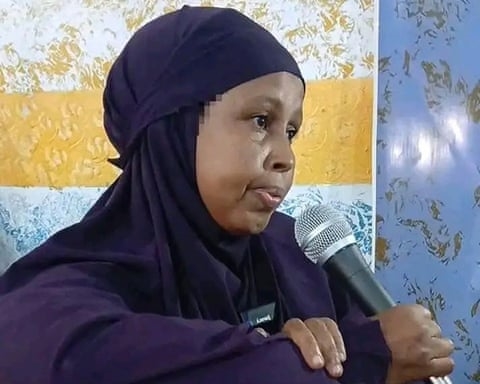
A recent case in central Somalia has cast a spotlight on the nation’s judicial processes, following the rapid execution of a woman convicted of murder.
In November of last year, Hodan Mohamud Diiriye reported that a teenage girl living in her household had fallen unconscious. The girl, Saabirin Saylaan, was pronounced dead at a hospital in Galkayo. Diiriye was swiftly arrested and, less than three months later in February, was executed by firing squad after being found guilty of the murder.
The case provoked significant public reaction, partly due to the nature of the crime and the gender of the convicted. In a society where women are often viewed primarily as caregivers, the allegations were particularly shocking. Public outrage was further fueled by the circulation of leaked video footage allegedly showing the victim being mistreated.
However, the speed of the judicial process has drawn criticism from some legal observers and rights advocates. Diiriye’s legal representative has raised serious concerns about the conduct of the trial, stating that his client was denied fundamental legal protections. He contends she did not have legal counsel during initial police questioning, that the court rushed proceedings under public pressure, and that requests for a mental health evaluation were disregarded.
Comparisons are being drawn to other capital cases in Somalia, where defendants from influential backgrounds have seen prolonged appeals processes, unlike the expedited timeline in this instance. This disparity has led to questions about whether systemic biases, including those based on gender and clan status, influenced the outcome.
While the execution has been viewed by some as justice served, the circumstances surrounding the trial continue to prompt debate about due process, the independence of the judiciary, and the equitable application of the law in Somalia.