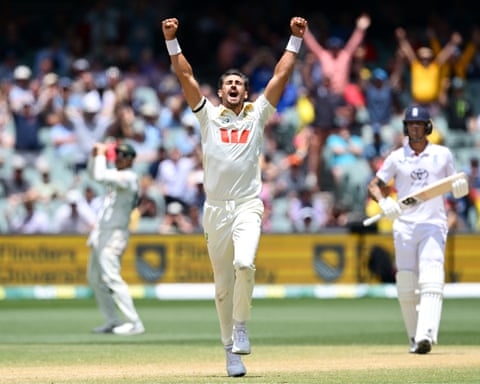
The Melbourne Cricket Ground witnessed a day of pure, unadulterated cricketing carnage on Boxing Day, as bowlers from both sides ran riot on a lively pitch. In an astonishing opening to the fourth Ashes Test, a remarkable 20 wickets tumbled, leaving the match precariously balanced and the record crowd of over 94,000 spectators in a state of disbelief.
After winning the toss and electing to bowl, England’s decision was immediately vindicated. Seamer Josh Tongue spearheaded a devastating attack, exploiting significant movement off the seam to dismantle the Australian batting order. His disciplined spell yielded figures of five for 45, bundling the hosts out for a mere 152 before the tea interval.
However, any notion of English dominance proved fleeting. The tourists’ response with the bat swiftly unravelled into a collapse of their own. Australia’s pace attack, led by the relentless Michael Neser, turned the tables in a chaotic final session. England found themselves reeling at 16 for four and were eventually dismissed for 110, succumbing to the same challenging conditions.
Amid the wreckage, Harry Brook’s counter-attacking 41 from 34 balls stood out as a lone beacon of resistance for England. His aggressive intent provided a stark contrast to the tentative dismissals of several teammates, including a rare prolonged duck for the experienced Joe Root.
Australia, holding a slender first-innings lead of 42, navigated a tense six-over period before stumps to reach four without loss in their second innings. The chaotic day’s play, which featured more wickets than on any opening day of an Ashes Test in Australia since 1901, has set the stage for a potentially abbreviated and intensely fought contest, with the pitch’s behaviour likely to remain a central talking point.