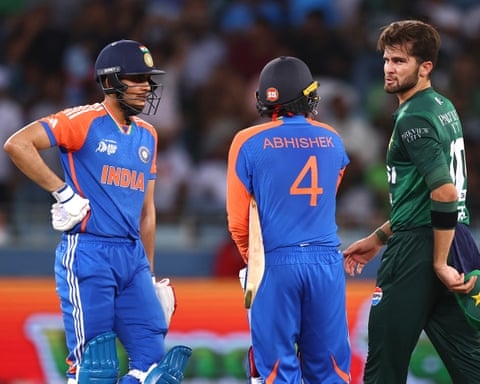
A major international cricket tournament has been plunged into fresh controversy following a politically charged boycott announcement. The Pakistan national team will compete in the upcoming T20 World Cup but will refuse to take the field for its scheduled group-stage match against India.
The decision, formally communicated by the Pakistani government, marks a significant escalation in the political tensions increasingly overshadowing the sport. It follows a prior boycott by Bangladesh, which withdrew from the tournament after a dispute over player availability and security assurances. That move was labelled an “injustice” and evidence of “double standards” by Pakistan’s cricket chief, who subsequently escalated the matter to government level.
This latest development strikes at the heart of a complex and lucrative dilemma for cricket’s global governing body. The India-Pakistan match is widely considered the sport’s most financially significant fixture, a cornerstone of broadcasting rights deals worth billions. Organisers have historically ensured the teams meet in the group stages of major events to guarantee the blockbuster encounter, a scheduling practice often at odds with official claims of pure sporting integrity.
Analysts note the situation highlights a growing contradiction. While officials frequently call for politics and sport to be separated, the administrative structures themselves are deeply intertwined with political figures from both nations. The current impasse also revisits the contentious “hybrid model” used for recent tournaments, where political refusal to travel forced matches to be played on neutral territory, depriving home fans of spectacles.
The governing body has issued a stern response, warning that Pakistan’s stance is “not in the interest of the global game” and could have “long-term implications” for cricket within the country itself. It emphasised the disappointment for millions of fans worldwide. However, the statement stopped short of outlining any specific sanctions or resolutions.
The boycott raises immediate logistical questions for the tournament, including whether the teams would meet if both progressed to the knockout stages. More broadly, it forces an uncomfortable examination of the sport’s heavy commercial reliance on a single, politically volatile rivalry. As the World Cup prepares to begin, the spectacle on the field will now compete for attention with a high-stakes diplomatic standoff unfolding off it.