A recent conviction by the International Criminal Court stands as a stark exception in a global landscape where powerful figures increasingly operate beyond the reach of justice. The court sentenced a senior commander of the Janjaweed militia to 20 years for war crimes and crimes against humanity committed in Sudan’s Darfur region two decades ago.
This verdict marks a singular judicial success concerning the Darfur atrocities. While arrest warrants for higher-ranking officials from that period remain outstanding, the conviction breaks a long pattern of evasion. During the conflict, those accused dismissed the allegations as politically motivated fabrications, asserting they had merely fulfilled their duty.
This mindset of official impunity has become a defining crisis of our time. It is a belief shared by several contemporary leaders facing serious international allegations. They stand accused by courts and human rights bodies of overseeing actions against civilians that violate fundamental laws. In each case, the accused reject any wrongdoing, justify their conduct as necessary, and operate with a palpable confidence that they will never be held to account.
One such leader, embroiled in domestic legal troubles, is simultaneously seeking to avoid international scrutiny over actions in Gaza, where his government faces genocide allegations. Rather than engage with the judicial process, his strategy involves political maneuvering and reliance on foreign allies to shield him from accountability.
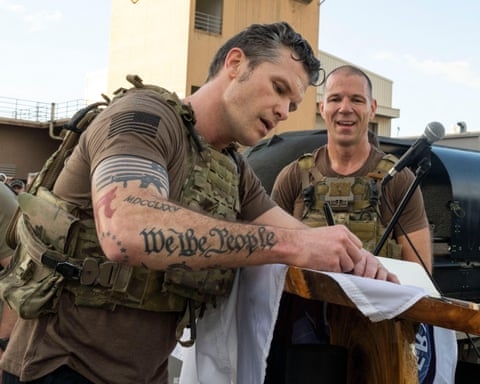
This erosion of legal norms is not confined to any single region. The new US defense secretary has publicly endorsed lethal military actions abroad based on unverified suspicions, actions criticized as extrajudicial killings. When questioned by legislators about incidents involving civilian casualties, the Pentagon’s responses have been lacking in transparency. The secretary’s conduct has received explicit, unconditional support from the president, sending a clear signal that certain actors consider themselves exempt from established rules.
This posture by a leading global power effectively endorses a lawless international environment. When the world’s most powerful state disregards the frameworks that underpin global order, it sets a dangerous precedent. It encourages others to believe they, too, can act with violence and abandon consequence. One foreign leader, also subject to an ICC arrest warrant, has seen offers of immunity advanced in proposed diplomatic deals, further undermining the court’s authority.
The consequence is a slide toward chaos, where state actors begin to resemble the very non-state militant groups they often condemn. The recent conviction of a militia leader is a reminder that justice is possible. It underscores a more urgent truth: until the powerful are held to the same standard, the rule of law remains in grave peril.