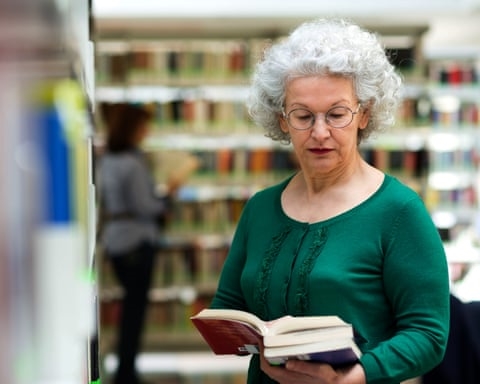
A growing movement of older adults in Sweden is embracing education purely for personal enrichment, with participation in specialized university programs reaching unprecedented levels. These initiatives, organized by and for retirees, are seeing record enrollment as seniors seek intellectual stimulation, social connection, and a renewed sense of purpose.
The national network, which partners with established adult education institutions, operates dozens of independent local branches. These branches offer a wide array of academic and cultural activities, from structured courses in subjects like history and science to popular weekly lecture series that regularly draw crowds of hundreds.
Organizers report that national membership has recovered robustly from a pandemic-era slump and now stands at an all-time high. Annual participation figures are projected to continue their sharp upward trajectory, with tens of thousands attending thousands of events across the country each year.
The driving force behind this trend, according to educational leaders, is a profound appetite for knowledge itself, distinct from career-oriented training. “There’s a fantastic hunger for education,” noted one retired academic involved with the program. “It’s about staying curious about the world, which feels especially vital today.”
Beyond personal fulfillment, participants and organizers highlight the broader social value. These gatherings combat isolation by fostering real-world communities and intergenerational dialogue. “Older people don’t live in a vacuum,” one organizer explained. “When you’re actively learning and engaging, it sets an example and enriches conversations with family and the wider community.”
For many retirees, the programs also provide a crucial sense of contribution after leaving the workforce. Volunteers who help run the operations describe the work as deeply meaningful, offering structure and camaraderie. “It gives people a sense that they are still contributing to society,” said one volunteer, who emphasized the role such education plays in promoting critical thinking and an informed citizenry.
Participants echo these sentiments, describing the activities as a vital part of their well-being. One member taking language classes noted, “It keeps your mind alert. Instead of just doing puzzles, you’re learning something new and connecting with others.” The social bonds formed often extend beyond the classroom, with study groups and even travel among classmates.
While the movement’s popularity is clear, organizers acknowledge a challenge in reaching a more diverse socioeconomic and cultural cross-section of the senior population. Despite this, the model is widely seen as a valuable and enduring part of the social landscape, offering accessible, low-cost opportunities for intellectual and social engagement in later life.