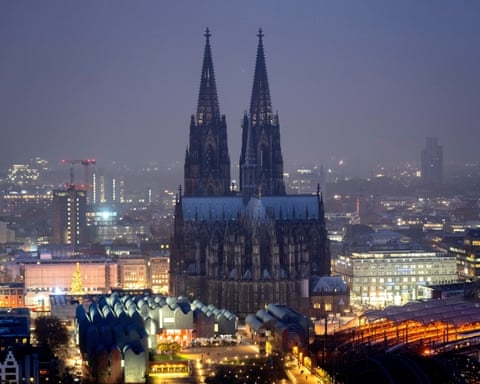
A controversial plan to introduce an admission charge for visitors to Cologne Cathedral has ignited a fierce public debate, with opponents arguing it would create a significant social barrier. The proposal, aimed at generating essential revenue for the historic site’s upkeep, is seen by many as an unjust move that would exclude those unable to afford the cost.
Cathedral authorities have stated that the iconic Gothic structure, a UNESCO World Heritage site and Germany’s most visited landmark, faces a persistent financial deficit. Annual maintenance costs, reportedly around €16 million, now outstrip income. Officials cite inflation, high operational expenses, and a depletion of cash reserves—exacerbated by pandemic-era closures—as key reasons for the new funding strategy.
Under the current plan, a ticket system could be implemented as early as this summer, with prices estimated between €12 and €15. While those attending services or coming to pray would be exempt, critics emphasize that the vast majority of the cathedral’s six million annual visitors are tourists. Prominent figures, including a former head of the cathedral’s preservation association, have publicly condemned the fee as “socially unjust,” warning it risks turning a cherished public space into an exclusive venue for the affluent.
Supporters of the measure counter that many other major European cathedrals and cultural monuments already charge for access, citing examples from Milan to Barcelona. They argue that such revenue is indispensable for the preservation of these historic buildings. The cathedral’s dean noted that visitors coming for religious purposes would remain unaffected, but acknowledged tourists comprise nearly all footfall.
The Cologne Cathedral, with its towering twin spires dominating the city’s skyline, is not only an architectural masterpiece but also a profound symbol of resilience, having survived severe damage during the Second World War. The potential introduction of an entrance fee strikes at the heart of its identity as an open, communal space. As discussions continue, the central question remains whether a balance can be found between necessary preservation funding and maintaining equitable public access to this monumental piece of shared heritage.