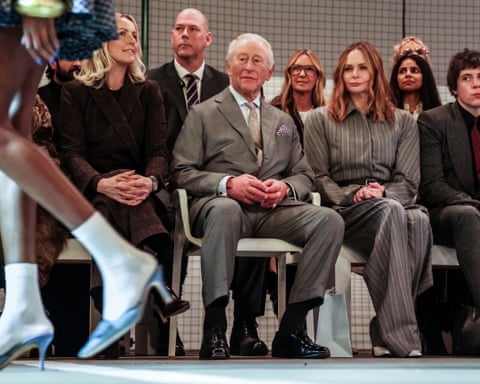
In moments of profound crisis, the public statements from royal households are often measured and sparse. Yet, a different, more visual form of communication frequently takes centre stage: the strategic choice of clothing. As the monarchy navigates a period of significant upheaval, the sartorial selections of its senior members are being scrutinised more closely than ever, revealing a long-standing tradition of using fashion as a tool of statecraft and stability.
This practice was recently underscored when, amid a highly publicised family scandal, the monarch attended a high-profile cultural event. His appearance, characterised by a classic, domestically tailored suit and a brightly patterned tie, was widely interpreted as a deliberate projection of normality and resilience. The unspoken message seemed clear: the institution continues, unwavering.
This theme of visual solidarity was echoed days later when a future king and his consort appeared at a major awards ceremony in harmonising, deep-red evening wear. The consort’s choice of a re-worn gown added a further layer of meaning, subtly emphasising values of continuity and mindful consumption during a week when the family’s conduct was under intense public examination.
Experts note that this deployment of wardrobe as a diplomatic and stabilising instrument is a deeply embedded royal tradition. Historical parallels are drawn to the 1930s, when, following a constitutional crisis, a queen consort’s wardrobe was meticulously crafted to project an idealised, reassuring image of national identity, directly countering the controversial style of exiled relatives.
Beyond domestic image management, royal attire has long served as a nuanced tool of international diplomacy. On foreign tours, garments are carefully selected to convey respect and build bridges. A dress adorned with a host nation’s floral emblem, a head-to-toe ensemble in a country’s signature colour, or a gown featuring symbolic patterns aligned with a national flag—all are calculated gestures in the soft-power playbook. The late Queen Elizabeth II was a master of this visual language, from her iconic, easily identifiable block-colour outfits to the subtle, often-debated symbolism of her hat choices and jewellery selections, which occasionally sparked fervent speculation about unspoken political commentary.
For modern royals, the pressure of this sartorial signalling is immense, with every public appearance analysed for hidden meaning. Even a stated desire to shift focus away from fashion and onto philanthropic work can itself become a statement. Collaborations with heritage British mills or the conscious selection of vintage pieces continue to send clear messages about supporting national industries and sustainable practices.
The weight of this “dress code” is perhaps most starkly illustrated by those who have left official royal life. They have spoken of the profound sense of liberation in being freed from its strict protocols and the requirement to adhere to a specific, often restrictive, visual identity. For them, the relinquishing of a uniform symbolised the recovery of personal autonomy.
As the monarchy faces one of its most challenging chapters in decades, the clothes worn by its remaining working members will undoubtedly continue to speak volumes. In the absence of extensive verbal commentary, their tailored suits, re-worn gowns, and symbolically chosen colours form a silent, potent dialogue with the public—a carefully curated visual narrative of endurance, diplomacy, and an institution determined to project continuity against the tide.