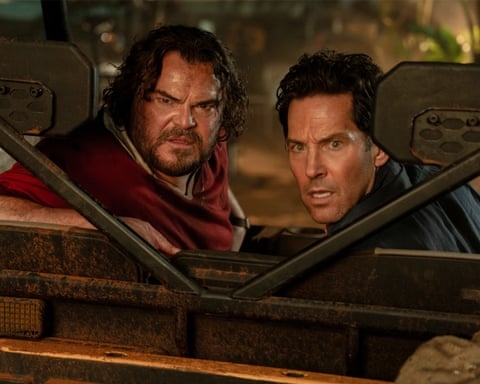
The latest film to bear the name Anaconda is not a straightforward remake of the 1997 creature feature. Instead, it’s a self-aware comedy about making a remake, one that works best when it leans into the easy chemistry of its two lead actors.
The story centers on Doug, a wedding videographer, and Griff, a struggling actor. Reuniting for Doug’s birthday, Griff presents a wild idea: he claims to have secured the rights to remake Anaconda, the cult monster movie they loved as kids. Despite initial reservations, Doug agrees, and together with a couple of friends, they embark on a shoestring-budget production in the Amazon.
The film’s opening moments, which awkwardly attempt horror, quickly give way to its true nature: a comedy about friendship and creative compromise. While the premise of underdog dreamers can feel overly familiar, the movie’s saving grace is its genuine, unforced warmth. The most enjoyable sequences involve the core cast simply interacting—brainstorming script ideas, debating the thematic depth of a giant snake movie, and navigating the absurdities of low-budget filmmaking.
Paul Rudd and Jack Black are the engine here. Rudd excels at mining humor from small, precise character details, while Black delivers a more grounded performance that still erupts into moments of signature, conviction-filled frenzy. Their dynamic provides consistent laughs and carries the film through its rougher patches.
Where the movie stumbles is in its uncertain genre blending. Attempts to inject genuine suspense or danger feel undercooked and often interrupt the comedic flow. Supporting characters, particularly a mysterious boat captain, are thinly written, serving more as plot devices than fully realized people. The film also misses some opportunities for the tactile, practical-effects charm that defined aspects of the original.
Ultimately, this Anaconda is less a horror-comedy and more a straightforward buddy comedy with occasional monster-movie trappings. It doesn’t reach the satirical heights of classic films about chaotic film productions, but it succeeds on the strength of its central friendship. The film manages to deliver an amiable, good-natured experience that functions as a light comedy, using the framework of a familiar intellectual property to tell a smaller, more personal story about chasing a dream, however ridiculous it may seem.