Two films from Turkey, each a searing critique of the nation’s political climate, have claimed the highest honors at a major international festival, signaling a potent and courageous new chapter for the country’s filmmakers.
The works, which examine the personal and societal costs of living under an increasingly authoritarian system, shared the top awards at the Berlin International Film Festival. Their success underscores a thriving artistic movement that chooses confrontation over compliance, using the lens of cinema to document a nation in tension.
This cinematic resurgence is deeply rooted in a tradition of dissent but speaks directly to contemporary realities. The filmmakers, key figures in a generation that emerged after the decline of the old studio system, create work that is both artistically bold and broadly engaging. Their stories hold a mirror to a society grappling with political repression and economic instability, drawing inevitable comparisons to the legacy of the late, exiled Kurdish director Yılmaz Güney, whose own banned work broke a national silence decades ago.
The journey to this moment has been complex. The early 2000s presented a more outwardly optimistic Turkey, focused on European integration and cultural opening. Yet its cinema of that era often offered romanticized or exoticized portraits, largely avoiding deeper political currents, with few exceptions. Today, the landscape is starkly different. The country is widely described by analysts as an electoral autocracy, where dissent is risky, opposition figures face imprisonment, and strict ideological conformity is enforced in public life. A palpable quiet has settled over much of the cultural sphere since the widespread protests of a decade ago were violently suppressed.
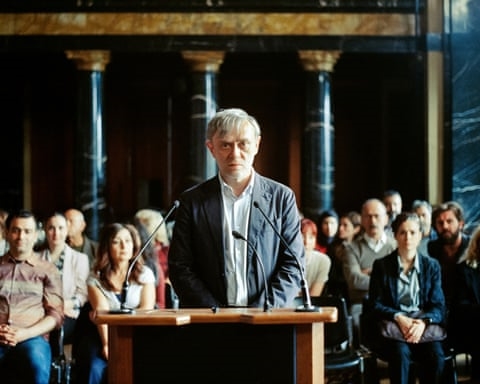
One of the award-winning films tackles this climate of fear head-on. It follows a married couple—a university professor and a state theater actress—who are abruptly dismissed from their careers for perceived political transgressions. Their story reflects the real-world purges that have shattered thousands of lives, condemning respected professionals to a form of “civil death.” The film depicts with chilling accuracy how state pressure cascades through society, leading institutions and even neighbors to enforce conformity, driven by fear of economic ruin or reprisal. It explores how the accused themselves are forced into reinvention and retreat, questioning their own beliefs in the face of isolation.
The second film adopts a more allegorical approach, set in the country’s southeast. It depicts a violent feud between two rival groups, loosely inspired by a historical massacre. The narrative centers on a charismatic local leader who weaponizes religious rhetoric and stokes paranoia about a neighboring community, promising his followers a form of “salvation” through eradication. It serves as a grim study of how demagogues can exploit identity and faith to mobilize followers toward brutality, offering a cautionary tale with resonance far beyond its specific setting.
Together, these films represent a bold reclamation of narrative power. Their directors, one living and working in Turkey and the other operating from the diaspora, continue a legacy of speaking truth to power. They demonstrate that despite the risks, Turkish cinema retains a vital, uncompromising voice, one that is now commanding the world’s attention and bearing witness to an era of profound challenge.