Behind the glamorous faces of Hollywood’s biggest names exists a hidden workforce of specialists whose job is to be someone else. While stunt performers are well-known, a more niche group of doubles steps in for everything from playing a piano to simply sitting in a car, their contributions often seamless and uncredited.
For Percy Bell, a resemblance to a major star became a unique entry into film. His physical similarity to actor Michael B. Jordan led to a role in a major motion picture where he portrayed one of two twin brothers, allowing both characters to appear on screen simultaneously. Bell describes the work as highly technical, focused on mirroring another actor’s movements precisely rather than traditional character building. The collaboration, he notes, was an invaluable masterclass in high-level filmmaking. The project’s subsequent critical success, he admits, has been a surreal and rewarding bonus.
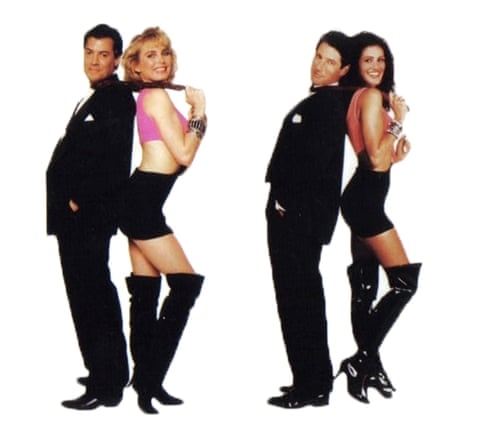
The role of a body double can extend far beyond mere resemblance. Shelley Michelle’s career was built on providing what a production deemed a more suitable physique for a leading role, famously contributing to an iconic film poster and performing intimate scenes. She recalls that requests ranged from aesthetic preferences to practical needs, such as when an actress was pregnant. The work, she says, could feel transactional and occasionally demeaning, with doubles sometimes treated as anonymous props. Driven by a desire for better recognition and pay, Michelle later advocated for union standards, helping to establish proper compensation for such specialized work. She is now documenting her unconventional career in a memoir.
Specialized skills, not just looks, can also lead to doubling work. Pianist Philip Fortenberry was recruited for a biographical film because his hands could convincingly portray those of a legendary performer during complex musical sequences. The technical demands were significant, requiring exact synchronization with a pre-recorded soundtrack and enduring physical discomfort for authenticity. While he found the experience interesting, Fortenberry confirms it didn’t spark a desire to act, citing the intense pressure of a film set.
Sometimes, necessity dictates the need for a double. For a recent streaming series, actor Jacqueline Leventhal was hired to drive a car because the lead actress did not have a valid license in the filming location. Through careful editing, shots of Leventhal’s hands and the back of her head were combined with footage of the star. She views such gigs as a unique opportunity to observe the filmmaking process up close and even interact with well-known figures, all while enjoying the inside joke of her invisible contribution.
The world of blockbuster franchises also relies on doubles, particularly when child actors are involved. Flick Miles was cast as a ‘shadow’ for a young actress in a popular film series due to labour laws limiting minors’ working hours. Her matching hair and build allowed filming to continue on schedule for scenes where the lead’s face wasn’t shown. Miles reflects on the experience as a pressure-free adventure, a stark contrast to the demands placed on the young star. She enjoyed a normal childhood camaraderie with the cast, blissfully unaware of the stature of the veteran actors around them. After several films, she chose to leave that world behind for a more conventional life, though she still fondly shares stories from the set.
Even the world of high-fashion advertising utilizes doubles. Elizabeth Barbour worked as a hand model, her “flawless” hands standing in for celebrities in beauty commercials. It’s common, she explains, for an actor’s face to be paired with a model’s more photogenic hands for close-up product shots. The work was financially rewarding and operated in a quiet, unglamorous niche, a world away from the spotlight enjoyed by the faces she complemented.
These stories reveal a behind-the-scenes ecosystem where anonymity is the price of entry, but where unique skills, specific attributes, and sheer happenstance create essential, if unseen, roles in bringing stories to the screen.